


In a rapidly shifting marketplace, traditional surveys—while still valuable—are no longer enough to stay ahead. Social dynamics, technology changes, regulatory shifts, and cultural movements propagate fast. If your insight strategy stops at “what consumers say today,” you’ll always be chasing yesterday’s trends.
True competitive advantage comes from anticipating how consumer behavior and preferences will evolve. Modern consumer research does more than measure—it predicts. Here’s how top brands are doing it today, and how you can as well.
Why Traditional Surveys Alone Are Insufficient
Surveys remain a staple: structured questionnaires, sampling, cross-tabs. But they struggle in several key areas:
- Lag time: Data must be collected, processed, and reported—by then, things may have moved.
- Intent vs action gap: What people say they will do isn’t always what they do.
- Limited behavioural insight: Surveys don’t capture real actions—clicks, searches, session pathing.
- Static framing: Surveys assume pre-existing categories, and may miss emergent, disruptive signals.
Because of these constraints, relying only on surveys risks missing early signals. It’s like steering a ship by looking at waves behind you instead of the horizon ahead.
The Building Blocks of Predictive Consumer Research
To predict market shifts, modern approaches layer multiple data sources and analytical strategies:
- Social listening & trend tracking
Tools like Brandwatch, Sprinklr, Mentionlytics and BuzzSumo capture conversation, sentiment changes, and emerging topics across forums, reviews, and social media. - Behavioural analytics
Web/app interactions, clickstreams, heatmaps, dwell time, search queries—what consumers do reveals more than what they say. - Predictive modeling & AI/ML
Models forecast behavioural shifts, emergent segments, or rising needs based on leading indicators and trend trajectories. - Ethnographic & qualitative validation
Field studies, interviews, observation confirm whether signals are real trends or noise. - Competitive & market intelligence
Monitoring competitor launches, regulatory motions, supply chain changes, macroeconomic shifts enrich the signal set.
Together, these methods enable insight not just about the present, but about the direction people are heading.
Real-World Examples: Brands That Predicted Shifts
PepsiCo & Tastewise AI — Forecasting Flavor Trends
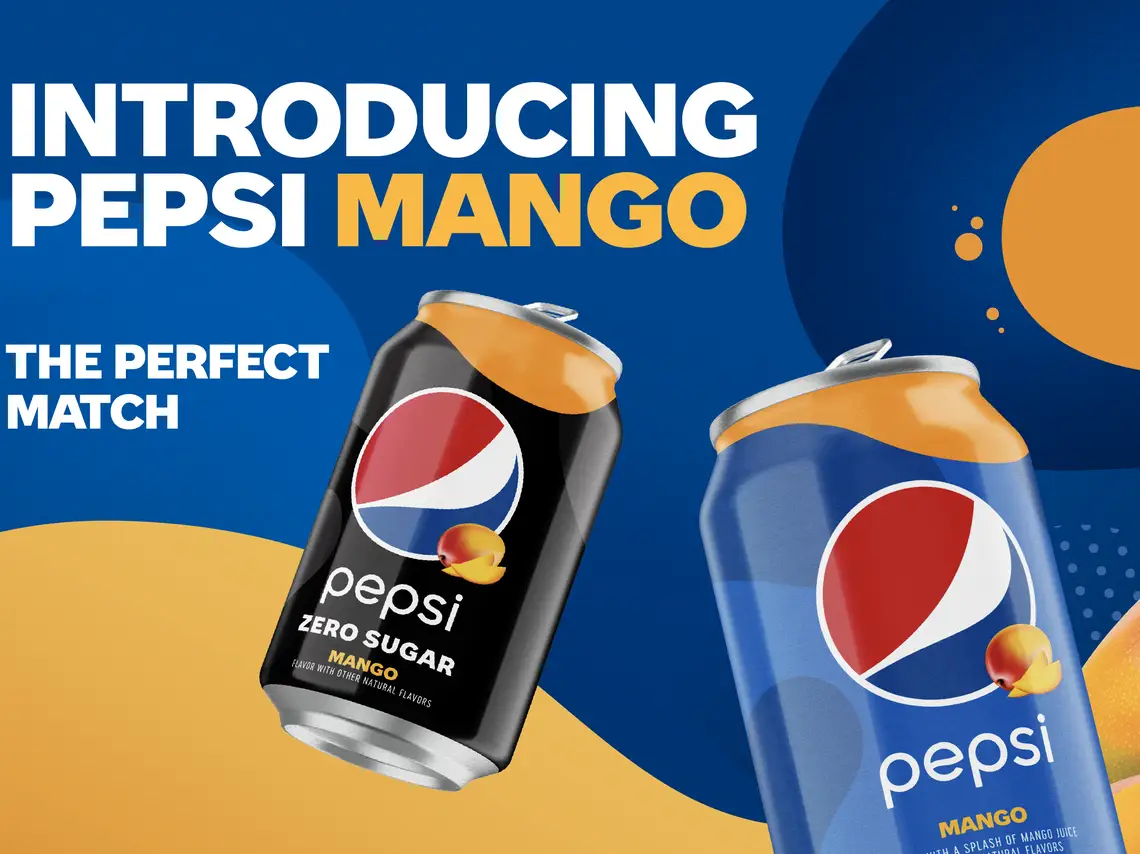
PepsiCo adopted Tastewise AI, analyzing millions of recipe searches, menu items, and social data to detect emerging snack and flavor trends. In 2024, they observed rising interest in spiced tropical flavors (e.g. mango + chili). The result: launch of Pepsi Mango in test markets, exceeding forecast sales by ~28%.
This is a model of proactive product development powered by real-time consumer data, not lagging surveys.
L’Oréal — Social Listening to Launch Skin-Care Products
L’Oréal used Brandwatch Consumer Intelligence to monitor skin care discourse. Between 2023–2024, mentions of “skin barrier damage” surged ~74%, and queries around probiotic skin care rose significantly. In response, L’Oréal (via Lancôme) launched the Cera Repair Barrier Cream line. Early sales in 2024 placed it among the top-performing launches in its category—beating competing brands to the shelf.
By listening to real-time conversations, they introduced a product aligned with an emerging consumer concern—before the next wave of survey reports arrived.
Adidas — Eco Runs & Sustainable Performance
Adidas used Sprinklr AI Listening to detect surging engagement with the term “eco-running” (+210%), and high interaction with hashtags #RunForPlanet, #CircularDesign in 2025. That insight led to the development of Terrex Loop, a fully recyclable performance sneaker. At launch, the eco-performance line grew sales by ~33% year over year.
They didn’t just automate workflows—they responded early to changing values demand.

How You Can Build This in Your Business
- Deploy continuous listening infrastructure
Monitor domain-relevant keywords, sentiment trends, and topic clusters in real time. Use alerts for sharp upticks. - Combine declared and behavioural signals
Use surveys, web/app analytics, search trends, and social data together. A convergent signal is more robust than any single input. - Run small experiments quickly
When a signal emerges, pilot lightweight tests or micro-launches to validate direction. - Use predictive analytics
Build or license models that forecast demand based on leading indicators (search volume, social volume, campaign lifts, competitor activity). - Embed trend scanning in planning cycles
Make foresight a continuous strategy input, not a standalone research project. - Validate with qualitative insight
Use ethnographic research, interviews or field testing to ensure the “signal” is actually meaningful and durable.
Challenges & How to Mitigate Them
- Noise vs signal: Filter by thresholds, smoothing, clustering to avoid overreacting to random chatter.
- Data bias: Web/app users may not represent broader population — always calibrate against panels or broader sampling.
- False positives: Not every spike becomes a durable trend — include experimental validation.
- Resource intensity: Listening platforms, analytics talent, model building cost money — make sure ROI justification is in place.
Why This Matters More Now Than Ever
- First-mover gains: Launch features or products ahead of trend curves, gaining market share before competition catches up.
- Cost efficiency: Avoid continuing investment in outdated campaigns or product lines — redeploy resources earlier.
- Brand relevance & loyalty: Brands that “see you coming” feel more alive to customers.
- Resilience in volatility: In times of disruption (supply, regulation, global shocks), companies with forward insight adapt faster.
Final Thoughts
Surveys remain valuable—especially for segmentation, satisfaction, and controlled measurement. But to predict what’s next, you must adopt forward-looking tools: social listening, behavioral analysis, predictive modeling, ethnographic validation.
When you wait for surveys to validate what you already suspect, you’ve already lost momentum. Modern consumer research gives you the chance to not just ride the wave—but spot it before it forms.