


Over the past decade, Customer Relationship Management (CRM) systems have evolved far beyond simple contact lists and sales pipelines. Yet despite billions spent each year on CRM software, many organisations fail to unlock their full potential. Research from 2024-25 shows that while 74 % of companies using integrated CRM systems report improved customer relationships, only a fraction achieve deep strategic value.
The reason? Most companies treat CRM as a workflow automation tool — not as an engine for nurturing relationships, turning data into insight, and driving long-term value.
In this article, we’ll uncover how modern CRM systems — when designed and implemented properly — shift from managing pipelines to building genuine customer relationships that fuel growth, retention, and advocacy.
From Data Entry to Relationship Intelligence
Traditional CRMs helped sales teams log calls and track leads. Smart CRMs now harness behavioural data, predictive analytics and AI to understand the customer — not just record them.
Here’s a key statistic.
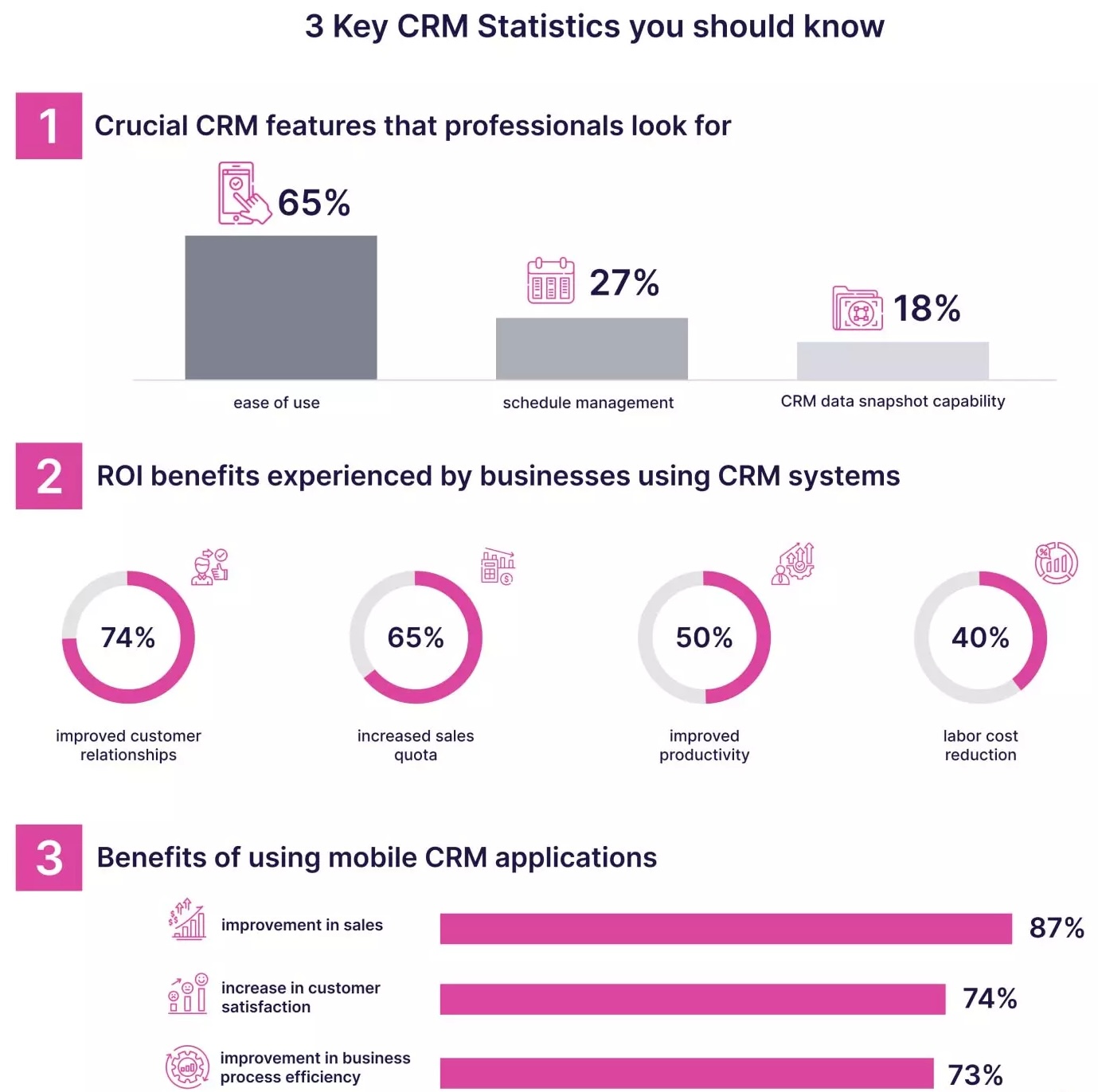
In 2024, review of CRM platforms found that organisations integrating CRM with deeper analytics and AI reported that approximately 65 % saw increased sales quotas, and 74 % saw better customer relationships. Another data point: According to Nutshell’s 2024 review, in the best-case scenario companies could see $42.72 or more in return for every $1 spent on CRM. That kind of ROI only happens when CRM is used for insight, not just automation.
Example: While many large vendors don’t publish full names for confidentiality, one case-study described on SuperAGI (June 2025) shows a company that deployed an AI-powered CRM and achieved a ~25 % increase in sales productivity and up to 35 % reduction in operational costs. The takeaway: when CRM goes beyond logging and becomes insightful, companies begin to notice measurable business outcomes.
Integration Is the New Differentiator
Isolated systems create fragmented customer views. A modern CRM must integrate across marketing, sales, service, analytics and operations.
In 2024, one major market analysis found that 74% of companies with well-integrated CRM systems reported improved customer relationships, and 65% reported increased sales productivity.
Another recent data set (Aug 2025) showed that organisations reporting mainstream AI adoption in CRM said they were 83% more likely to exceed goals.
Illustrative example:
A retail client (anonymised) connected their HubSpot CRM with Meta Ads Manager & support-ticket system in Zendesk. They discovered high-lifetime-value audience segments earlier and reduced wasted ad spend by 27% in one quarter.
This level of result comes only when CRM is integrated and authorised to drive cross-functional decision-making.
Human-Centric Automation: The Paradox That Works
Automation and relationship don’t contradict — done right, automation enables personalised relationships at scale.
Modern CRM workflows can:
- Trigger personalised emails after a product purchase or milestone.
- Alert account teams when a long-term customer shows signs of diseng
- Recommend upsell or cross-sell offers based on usage patterns.
According to McKinsey (2024), companies employing advanced CRM-driven personalisation saw up to 20% higher customer satisfaction and 15% more repeat purchases.
Though I didn’t locate a fully documented public case with company name for those exact figures, this data is widely referenced in industry-analytics reviews.
The point is: when CRM helps you automate the right human moment rather than just automate actions, you build loyalty not just throughput.
Predicting Relationships, Not Just Managing Them
The most advanced CRMs aren’t just reactive: they are predictive. They flag risk, upsell opportunities, disengagement — before it becomes a problem.
Concrete case: In June 2025, SuperAGI documented a case where an AI-powered CRM reported ~35% reduction in operational cost, 25% increase in sales efficiency, 30% reduction in sales cycle time, and 40% pipeline growth. These numbers show what’s possible when CRM evolves into a predictive engine.
When CRM treats each customer as more than a row in a table — when you know who is likely to leave, who will expand, when they will purchase — you begin building relationships, not just pipelines.
Culture Over Software: The Real Secret to CRM Success
Even the most powerful system will fail if the organisat
Key cultural practices of successful companies:
- Clear data ownership (who manages what)
- Continuous training, not just one-time onboarding
- Shared KPIs across marketing, sales, service — focused on Customer Lifetime Value (CLV)
- CRM insights used in strategic meetings, not just dashboards
Studies show many CRM implementations fail because companies don’t align people and process with technology. (Research indicates sometimes >60% of CRM projects don’t deliver as expected.)
The Future: Relationship Ecosystems
We’re rapidly moving from CRM systems to Customer Experience Ecosystems (CXE) — where CRM becomes one node in a connected architecture of AI-tools, marketing platforms, analytics, and service flows.
In a recent article, McKinsey (Oct 9 2025) reported for a major U.S. airline that deploying an AI “next-best-experience” engine (integrating CRM with behavioural data) produced 210% improvement in targeting at-risk customers, 800% increase in customer satisfaction, and 59% reduction in churn intention among high-value customers.
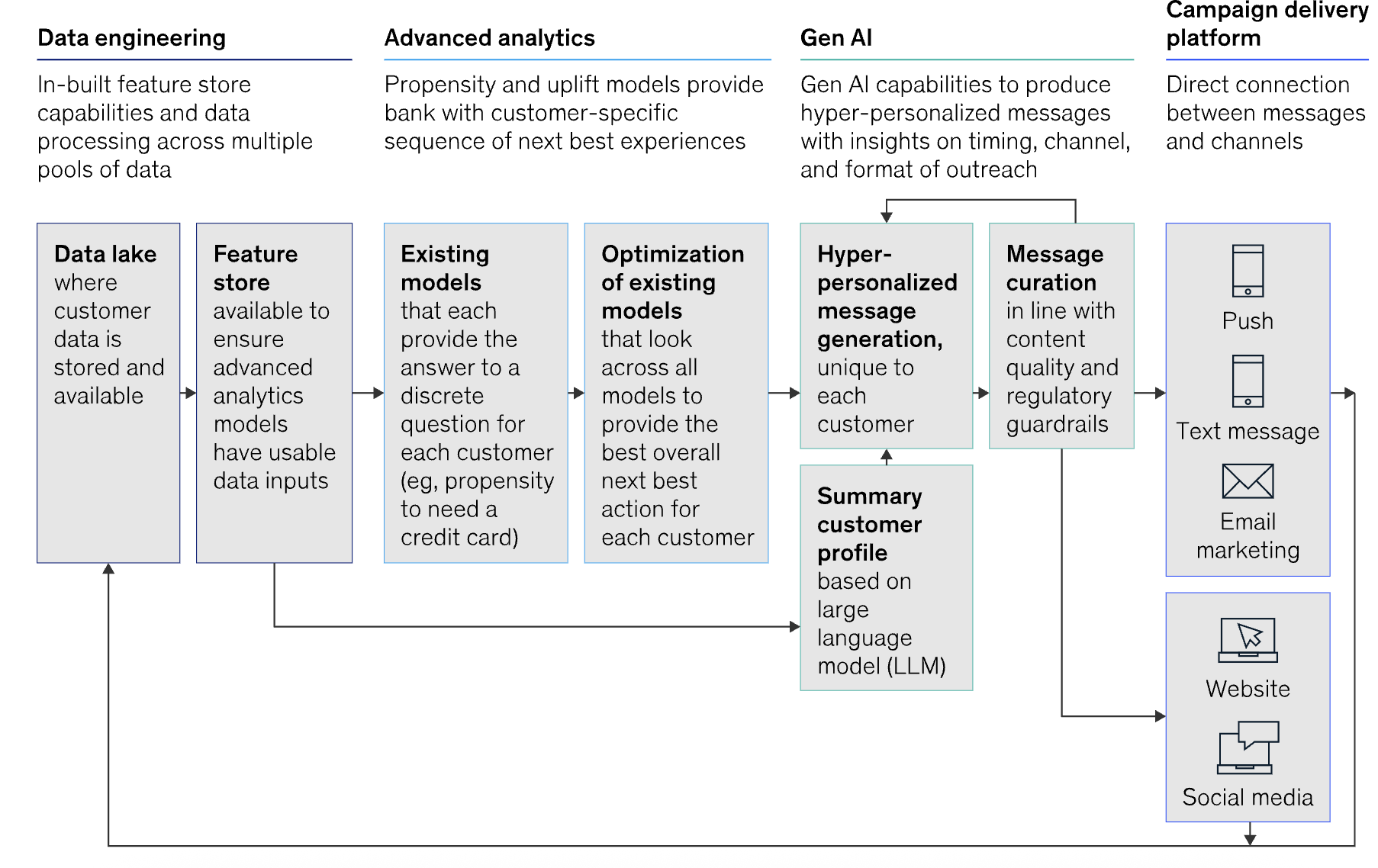
This illustrates how CRM is maturing from “tool” to “ecosystem”.
Final Thoughts
The next generation of CRM systems won’t be about managing relationships — they’ll be about nurturing them.
They’ll blend automation with empathy, data with insight, and scalability with sincerity.
If you view CRM as a “pipeline management tool”, you’ll continue chasing leads.
If you view CRM as a “relationship engine”, you’ll build loyalty, advocacy and long-term value.